
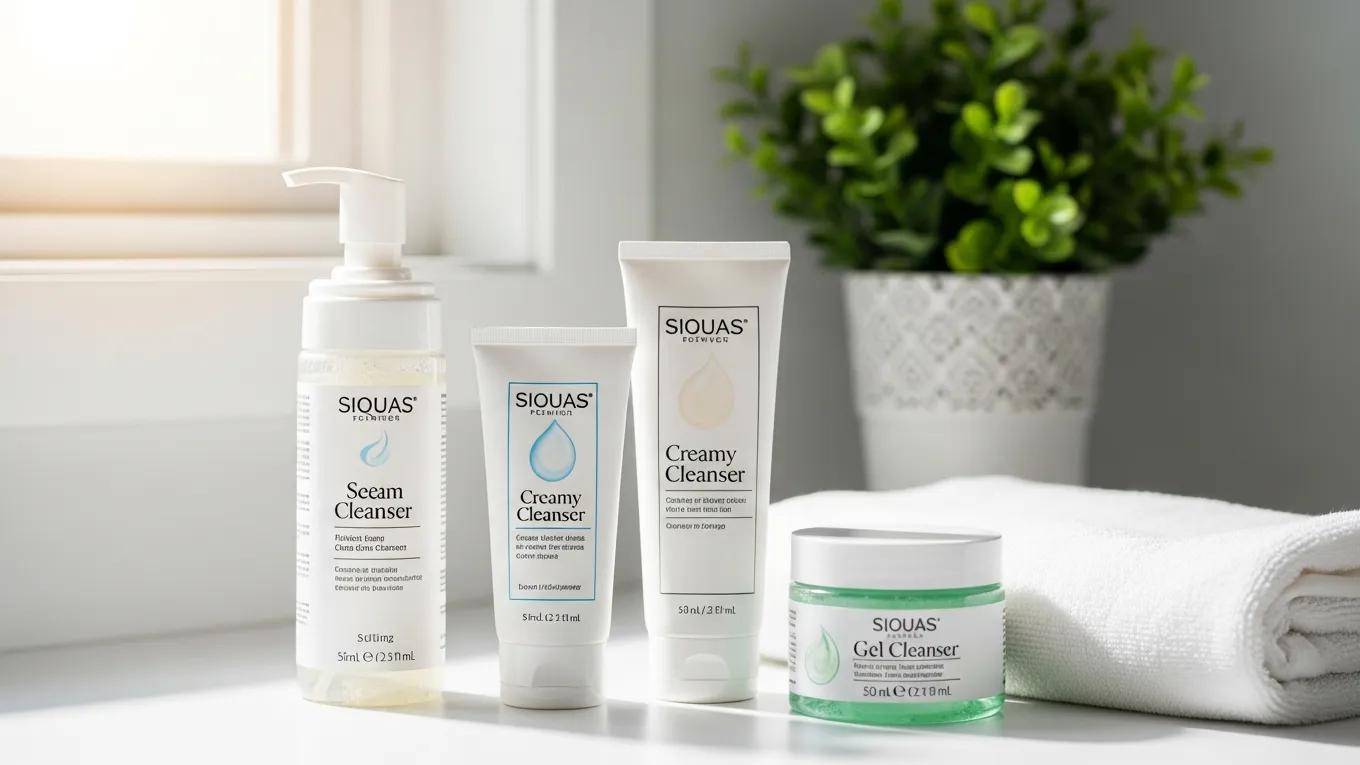
Best Cleansers for Your Skin Type
Best Cleansers for Your Skin Type: How to Choose the Right Facial Cleanser for Healthy Skin

By Maraki Nyirenda, Skin In The Game
Choosing the right facial cleanser supports healthy skin because each skin type needs different care. This guide explains common skin types, their traits, and how to pick cleansers that match your needs. You’ll learn how to identify your skin type, which cleansers work for oily or acne-prone skin, gentle options for dry or sensitive skin, and practical cleansing routines you can use.
What Are the Different Skin Types and How Do They Affect Cleanser Choice?
Recognizing skin types is the first step to choosing an effective cleanser. Skin typically falls into four groups: oily, dry, combination, and sensitive. Oily skin makes more sebum and can look shiny or break out. Dry skin lacks moisture and may feel tight or flaky. Combination skin shows both traits, often an oily T-zone with drier cheeks. Sensitive skin reacts easily with redness or irritation. Matching a cleanser to these traits helps avoid problems and improves results.
Research supports using a systematic process to match cleansers to individual skin types.
Choosing the Best Facial Cleanser for Every Skin Type
Table 11.1 lists the main facial cleansers discussed in the chapter and indicates which cleanser forms best suit each skin type. Selection here is based on cleanser form and cleansing method.
Facial cleansers and cleansing cloths, 2015
How to Identify Oily, Dry, Combination, and Sensitive Skin
Look at how your skin behaves and how it reacts to products. Oily skin shows shine and larger pores. Dry skin feels tight and may flake. Combination skin has both oily and dry zones. Sensitive skin reddens or stings with some products. A simple test: cleanse, wait a few hours, and note how your skin feels—shine suggests oiliness; tightness suggests dryness.
Why Skin Type Matters When Selecting a Facial Cleanser
Using a cleanser that fits your skin type helps maintain the skin barrier and reduce issues. The wrong cleanser can increase oiliness, cause dryness, or trigger irritation. For example, oily skin benefits from oil-free or foaming cleansers that remove excess sebum. Dry skin needs hydrating, gentle formulas with moisturizing ingredients. Matching products to your skin's needs improves comfort and appearance.
Which Cleansers Work Best for Oily and Acne-Prone Skin?

For oily and acne-prone skin, choose cleansers that reduce excess oil and keep pores clear. These products often include active ingredients that target sebum and breakouts while keeping the skin balanced.
Managing acne effectively usually includes selecting appropriate cleansers and moisturizers as part of a broader care plan.
Essential Cleanser Selection for Acne-Prone Skin Management
Research has emphasized the role of different epidermal barrier functions in dermatological conditions, including the permeability and antimicrobial barriers of the stratum corneum. Professional guidance in skin care is important for managing acne vulgaris, and incorporating specific cleanser and moisturizer recommendations into a care plan improves outcomes.
Skin care as an integral component in the management of acne vulgaris: part 1, 2013
What Are the Benefits of Oil-Free and Salicylic Acid Cleansers?
Oil-free cleansers help prevent clogged pores and reduce breakouts by removing surface oil without adding more. Salicylic acid reaches into pores to dissolve oil and dead skin cells, which helps clear and prevent acne. This ingredient also reduces inflammation and supports cell turnover, making skin clearer over time.
How Do Facial Treatments Complement Cleansing for Acne-Prone Skin?
Professional facial treatments can deepen cleansing and target stubborn impurities. Procedures like chemical peels or extractions remove buildup that daily cleansing might miss. Treatments often use acids such as salicylic or glycolic acid to improve texture and work alongside your home routine to maintain clearer skin.
How to Choose Gentle and Hydrating Cleansers for Dry and Sensitive Skin?

Dry and sensitive skin needs cleansers that remove dirt without stripping natural oils. Look for gentle, hydrating formulas designed to clean while preserving the skin’s moisture and barrier function.
When conditions like eczema or general sensitivity are present, choosing soap-free, gentle cleansers helps protect the skin barrier.
Gentle & Soap-Free Cleansers for Sensitive & Dry Skin
Managing eczema and sensitive skin requires cleansers that preserve barrier integrity, reduce dryness, and support barrier restoration with therapeutic moisturizers. Choosing the right cleanser is a key part of treatment, and studies report improvement when soap-free cleansers are used alongside topical therapies.
Gentle cleansing and moisturizing for patients with atopic dermatitis and sensitive skin, 2009
What Ingredients Make a Cleanser Hydrating and Non-Irritating?
Pick cleansers with humectants and barrier-supporting ingredients like glycerin, hyaluronic acid, and ceramides. These help retain moisture and calm the skin. Avoid harsh sulfates and strong fragrances, which can increase dryness and irritation. A creamy, non-foaming cleanser often cleans without stripping needed oils.
Can Makeup Removers Be Safe for Sensitive Skin?
Yes—if they’re formulated gently. Oil-based removers and micellar waters are effective and usually well tolerated. Check ingredient lists for irritants and do a patch test before full use to confirm there’s no reaction.
What Are Effective Cleansing Routines for Different Skin Concerns?
A cleansing routine that fits your skin type improves overall results. Adjust frequency and product strength by concern: oil control, hydration, or sensitivity each require different approaches. Consistency matters—steady care yields better outcomes than frequent changes.
How Often Should You Cleanse Based on Your Skin Type?
Oily skin often benefits from cleansing twice daily to control shine and reduce breakouts. Dry skin may do better with once-daily cleansing, usually at night, to preserve natural oils. Combination skin can treat zones differently—gentler cleansers on dry areas, targeted products on oily zones. Sensitive skin should be cleaned gently, typically once a day, to limit irritation.
What Steps Enhance Cleansing Results with Professional Treatments?
Professional steps like controlled exfoliation, masks, and targeted serums can extend the benefits of daily cleansing. These treatments remove buildup, refine texture, and prepare the skin to absorb active ingredients. Pair professional care with a consistent home routine for lasting improvement.
Where to Find Personalized Skincare and Facial Cleansers in Washington DC?
If you want personalized recommendations, Skin In The Game DC offers tailored advice and product suggestions based on your specific skin type and concerns. The clinic is located at 1725 I St NW, Floor 3, Washington, DC 20006.
How Does Skin In The Game DC Customize Cleansing Solutions?
Skin In The Game DC assesses each client’s skin type and concerns and then recommends products and treatments that match those needs. This individualized approach helps clients reach clearer, healthier-looking skin.
How to Book a Facial or Consultation for Your Skin Type?
Booking a facial or consultation is simple: call (202) 946-4166 or email [email protected] to schedule. During the visit, expect a careful skin assessment and personalized product and treatment recommendations.
Frequently Asked Questions
What are the signs that I need to change my facial cleanser?
Change your cleanser if you see new or worsening issues: more dryness, increased oiliness, persistent breakouts, irritation, redness, or tightness after washing. Also reconsider your cleanser if life changes—age, climate, or hormones can alter your skin’s needs.
Can I use the same cleanser for both morning and night?
Yes, if it suits your skin type. Morning cleansing often focuses on removing overnight oils and refreshing the skin, while evening cleansing should remove makeup and sunscreen. Some people use a gentler cleanser in the morning and a stronger one at night, especially if they are oily or acne-prone.
How do I know if a cleanser is suitable for sensitive skin?
Look for labels like "hypoallergenic," "fragrance-free," or "non-comedogenic." Gentle ingredients such as glycerin, aloe vera, and chamomile are often soothing. Avoid sulfates, alcohol, and artificial fragrances. Always patch test a new product before regular use.
Are natural cleansers better for my skin?
Natural cleansers can be helpful, particularly for people sensitive to certain synthetic ingredients. They often contain fewer harsh chemicals and include nourishing botanicals. Remember that "natural" doesn’t guarantee compatibility—some botanical ingredients can still irritate, so choose what matches your skin.
How can I enhance the effectiveness of my cleanser?
Try double cleansing if you wear makeup or sunscreen: start with an oil-based cleanser to dissolve makeup, then follow with a water-based cleanser to remove residue. Use a gentle exfoliant a few times a week to clear dead skin cells so your cleanser and treatments can work better. Always finish with a moisturizer to restore hydration.
What role does pH play in choosing a facial cleanser?
pH matters because it affects the skin’s barrier. Aim for cleansers with a pH near healthy skin—about 4.5 to 5.5. A balanced pH helps prevent irritation. Alkaline cleansers can strip natural oils and lead to dryness or sensitivity, so choose pH-balanced options when possible.
Is it necessary to use a toner after cleansing?
Toners are optional. They can remove any lingering impurities, help balance pH, and prepare skin for serums or moisturizers. For oily or acne-prone skin, toners with exfoliating ingredients like salicylic acid can help. If your skin is dry or sensitive, choose a hydrating toner or skip the step if it causes irritation.
Conclusion
Selecting a cleanser that fits your skin type is a key step toward healthier skin. When you understand your skin’s needs, you can choose products that address dryness, oiliness, or sensitivity and improve your routine. With the right choices and consistent care, you’ll see better results. Discover our personalized skincare solutions to get started.