
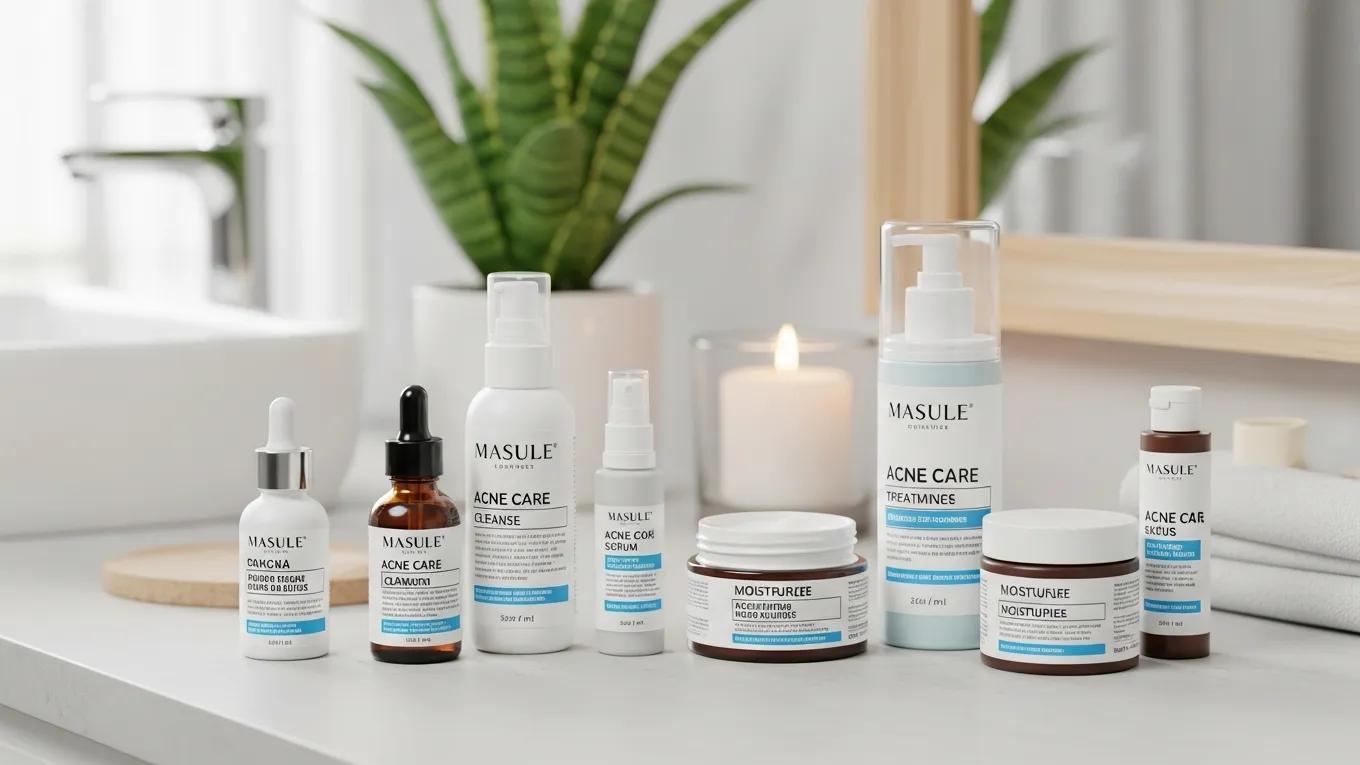
Comprehensive Acne Treatment Guide for Adults
Comprehensive Acne Treatment Guide for Adults: Best Solutions and Skincare Routines

Acne isn't only a teenage issue; many adults experience persistent breakouts driven by hormonal shifts, stress, and lifestyle factors. This guide explains effective adult acne treatments and practical skincare routines. You will learn what causes adult acne, which professional treatments work best, and how to build a routine that supports clearer skin. We cover differences between adult and teen acne, professional options, and at-home strategies to help manage and prevent breakouts.
What Causes Adult Acne and How Does It Differ from Teen Acne?
Adult acne results from factors that differ from those common in teenagers. Both groups can have hormonal triggers, but adults more often see acne linked to stress, diet, and environmental exposures. Recognizing these differences helps target treatment more effectively.
Common Triggers and Hormonal Factors Behind Adult Acne
Adult acne often ties to hormonal shifts, particularly changes in estrogen and testosterone. Stress can intensify these imbalances, increasing oil production and clogging pores. Other common triggers include:
- Diet: High glycemic index foods and dairy products may contribute to acne flare-ups.
- Stress: Elevated cortisol levels can lead to increased oil production in the skin.
- Medications: Certain medications, including corticosteroids and some contraceptives, can trigger acne.
Studies report that roughly 50% of adults experience acne at some point, which underscores the need for effective treatment strategies.
Types of Adult Acne and Their Characteristics
Adult acne appears in several forms, and each type often needs a different treatment approach. The most common types include:
- Hormonal Acne: Often appears around the jawline and is linked to hormonal fluctuations.
- Cystic Acne: Deep, painful lesions that can lead to scarring if not treated properly.
- Comedonal Acne: Characterized by blackheads and whiteheads, often resulting from clogged pores.
Identifying the characteristics of each type helps you and your provider choose the most appropriate treatment.
Which Professional Acne Treatments Are Most Effective for Adults?

Professional treatments can offer clear benefits for adult acne. Several options exist, each with different levels of effectiveness and specific recommendations.
| Treatment | Efficacy | Recommendations |
|---|---|---|
| Chemical Peels | High | Suitable for all skin types; helps exfoliate and reduce acne scars. |
| Acne-Targeted Facials | Medium | Customizable treatments that address specific skin concerns. |
| Microchanneling | High | Minimally invasive; effective for treating acne scars and improving skin texture. |
Providers can tailor these treatments to your skin type and concerns, making them useful options for persistent acne.
How Does Microchanneling Help Treat Acne Scars?
Microchanneling creates very small channels in the skin to stimulate collagen and promote regeneration. This can smooth skin texture and reduce the appearance of acne scars. Sessions are commonly scheduled every 4–6 weeks to achieve optimal results.
Benefits of Acne Facials and Chemical Peels for Adult Skin
Acne facials and chemical peels benefit adult skin in several ways, including:
- Cleansing and Exfoliation: These treatments help remove dead skin cells and unclog pores.
- Hydration and Healing: They can enhance skin hydration and promote healing, reducing the likelihood of future breakouts.
- Customized Options: Treatments can be tailored to address specific skin concerns, ensuring effective results.
When chosen and applied appropriately, these professional treatments can improve skin health and appearance and are often worth the investment for those managing adult acne.
How Can You Build an Effective Acne Skincare Routine?

A clear, consistent skincare routine is essential for managing acne-prone skin. A structured routine helps maintain skin health and reduce breakouts.
Key Products and Ingredients for Acne-Prone Skin
Choose products that contain proven active ingredients such as:
- Salicylic Acid: Helps to exfoliate the skin and unclog pores.
- Benzoyl Peroxide: Effective in killing acne-causing bacteria.
- Retinoids: Promote cell turnover and prevent clogged pores.
Incorporating these ingredients into your routine can help control and reduce acne effectively.
Daily Habits to Support Skin Hydration and Health
Alongside the right products, daily habits support skin hydration and overall health:
- Stay Hydrated: Drinking plenty of water helps maintain skin moisture.
- Balanced Diet: Consuming a diet rich in fruits, vegetables, and healthy fats can improve skin health.
- Sun Protection: Using sunscreen daily protects the skin from UV damage, which can exacerbate acne.
Combined with a tailored skincare routine, these habits help promote clearer, healthier skin over time.
What Are the Best Methods to Get Rid of Acne Scars?
Improving acne scars typically works best with a combined approach that uses both professional treatments and consistent at-home care.
Professional Scar Removal Treatments Available in Washington DC
In Washington DC, professional options for acne scar removal include:
- Laser Therapy: Targets scar tissue and promotes skin regeneration.
- Microneedling: Stimulates collagen production to improve skin texture.
- Chemical Peels: Help to exfoliate the skin and reduce the appearance of scars.
Consulting a skincare professional helps determine the best treatment plan for your specific needs.
At-Home Care and Prevention Strategies for Acne Scars
At-home care complements professional treatments and helps prevent new scars. Consider these strategies:
- Consistent Skincare Routine: Maintain a regular routine that includes cleansing, exfoliating, and moisturizing.
- Use Sunscreen: Protecting scars from sun exposure can prevent them from darkening.
- Avoid Picking: Refraining from picking at acne can reduce the risk of scarring.
Consistent at-home care can noticeably improve the appearance of acne scars over time.
How Does Treatment for Hormonal Acne Differ from Other Types?
Hormonal acne calls for a tailored approach because the underlying drivers are different from other acne types.
Understanding Hormonal Imbalance and Its Impact on Skin
Imbalances in estrogen and testosterone can increase oil production and lead to clogged pores. Hormonal acne commonly appears on the jawline and chin and may require treatments that directly address hormonal factors.
Targeted Therapies and Lifestyle Adjustments for Hormonal Acne
Effective approaches for hormonal acne may include:
- Hormonal Therapy: Birth control pills or other hormonal treatments can help regulate hormone levels.
- Dietary Changes: Reducing sugar and dairy intake may alleviate symptoms.
- Stress Management: Techniques such as yoga and meditation can help balance hormones and reduce breakouts.
Combining targeted therapies with lifestyle adjustments can greatly improve control of hormonal acne.
How to Book a Consultation and Treatment at Skin In The Game DC?
Booking a consultation at Skin In The Game DC is straightforward and designed to connect you with the appropriate care for your skin concerns.
- Contact Us: Reach out via phone at (202) 946-4166 or email at [email protected].
- Schedule an Appointment: Discuss your concerns and preferred treatment options with our skincare professionals.
- Visit Us: Our office is located at 1725 I St NW, Floor 3, Washington, DC, where you will receive personalized care tailored to your needs.
Taking the first step toward clearer skin is straightforward—our team is ready to assist you.
Frequently Asked Questions
What lifestyle changes can help reduce adult acne?
Specific lifestyle changes can help manage adult acne. Aim for a balanced diet rich in fruits, vegetables, and whole grains and reduce sugar and dairy that may trigger breakouts. Regular exercise lowers stress and supports skin health. Prioritize sleep and drink enough water to stay hydrated. These habits support the skin's natural healing and can reduce flare-up frequency.
Are there any specific skincare products to avoid for acne-prone skin?
Avoid heavy creams and oils that can clog pores and products with alcohol that dry the skin and trigger excess oil. Steer clear of fragranced products and harsh exfoliants that irritate. Instead, choose non-comedogenic formulations made for acne-prone skin to minimize breakout risk.
How long does it typically take to see results from acne treatments?
Results depend on the treatment and individual response. Topical treatments often show noticeable improvement in 4–6 weeks. Professional procedures like chemical peels or microchanneling can deliver results after a few sessions. Stay consistent with your routine and follow your provider's plan; some treatments require more time to reach full effect.
Can stress really cause acne flare-ups?
Yes. Stress raises cortisol, which can increase oil production and clog pores. Stress also contributes to poor sleep and dietary choices that worsen acne. Managing stress with yoga, meditation, or regular exercise can help reduce flare-ups and improve skin condition.
Is it safe to use makeup while treating acne?
You can use makeup while treating acne if you select non-comedogenic, oil-free products. Mineral-based foundations are often lighter and less irritating. Always remove makeup thoroughly each day to prevent buildup. Some makeup products include acne-fighting ingredients that can support your treatment routine.
What role does diet play in managing adult acne?
Diet influences adult acne. High sugar and refined carbohydrates can spike insulin, increasing oil production and inflammation. Dairy has been linked to acne in some people. A diet rich in antioxidants, healthy fats, and fiber—fruits, vegetables, nuts, and whole grains—supports skin healing and can reduce breakouts.
Conclusion
You can manage adult acne by combining professional treatments with a personalized skincare routine. Understanding your triggers and the type of acne you have helps you choose suitable solutions. Consistent use of recommended products and lifestyle changes supports clearer, healthier skin over time. Start your skincare journey by exploring our expert services and personalized treatment options today.