
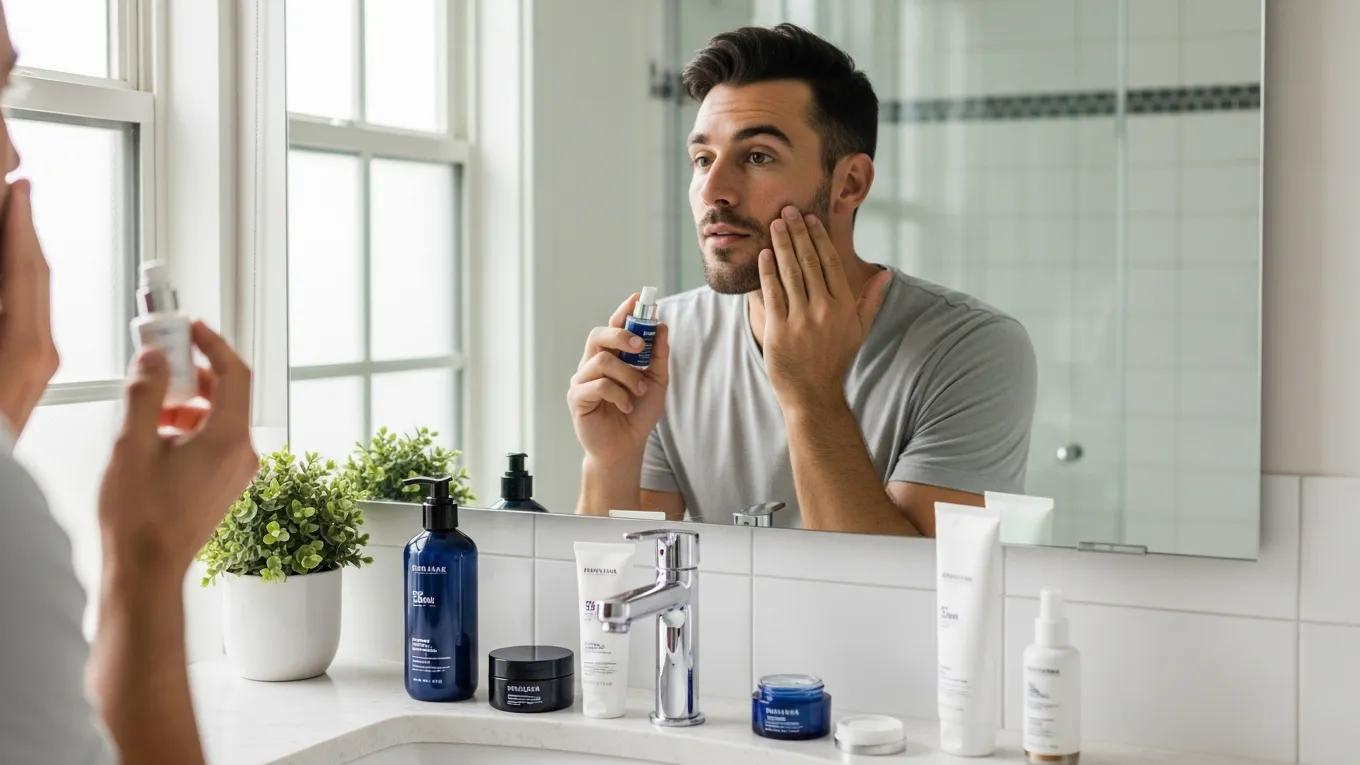
Men's Skincare and Grooming Tips
Men's Skincare and Grooming Tips: Effective Facial Treatments and Routines for Healthy Skin

By Maraki Nyirenda, Skin In The Game DC
Men's skincare is a core part of grooming that often receives too little attention. As awareness of skin health grows, more men are adopting routines suited to their skin. This article explains daily and weekly routines, effective facial treatments, and practical tips for healthy skin. Understanding skincare helps you address common concerns—acne, aging, and dehydration—and supports a healthier, more vibrant complexion. You’ll learn best practices, the benefits of professional treatments, and how to build a routine that fits your life.
Knowing the basic biological differences in male skin helps create more effective skincare strategies.
Male Skin Biology: Understanding Unique Needs
Male skin tends to be thicker, oilier, and more acidic, and it often has denser terminal hairs and greater collagen content than female skin. It also shows increased transepidermal water loss, a stronger vascular supply, and higher androgen-driven glandular activity—factors that affect barrier function, aging, and treatment response.
Skincare Regimens for Men: Medical-Grade Solutions, S Fathizadeh, 2025
This awareness is reflected in the men's personal care industry, which is increasingly developing products for these specific biological traits.
Men's Skincare Industry: Trends & Unique Needs
The men's personal care industry is changing due to shifting social norms, technological advances, and greater awareness of skin health. This chapter examines biological differences between men's and women's skin, the particular challenges men face, and the product categories designed to meet those needs.
Current Trends and Developments in Men's
Personal Care Products, S Jayaram, 2026
Daily Skincare Routine

A daily skincare routine helps protect and maintain skin health. Include cleansing, moisturizing, and sun protection to reduce environmental damage and keep skin hydrated. Regular care lowers the risk of acne and premature aging and helps skin function well.
Morning Routine:
The morning routine prepares the skin for the day. It usually follows three clear steps:
- Cleansing: Start by using a gentle cleanser to remove impurities accumulated overnight. This step prepares the skin for the application of other products.
- Moisturizing: After cleansing, apply a lightweight moisturizer to hydrate the skin. This helps maintain moisture levels throughout the day.
- Sunscreen: Finally, apply a broad-spectrum sunscreen with at least SPF 30 to protect against harmful UV rays. This is essential for preventing skin damage and premature aging.
Evening Routine:
The evening routine focuses on repair and recovery after daily exposure. It commonly includes these steps:
- Cleansing: Use a cleanser to remove dirt, oil, and makeup from the skin. This step is vital for preventing clogged pores and breakouts.
- Targeted Treatments: Apply any targeted treatments for specific skin concerns, such as acne or fine lines. Ingredients like salicylic acid or retinol can be beneficial.
- Moisturizing: Finish with a richer moisturizer to support skin repair overnight. This helps the skin recover from daily stressors.
Weekly Skincare Routine
Alongside daily care, a weekly routine boosts skin health. Include exfoliation and, when appropriate, professional treatments to remove dead skin and promote cell turnover.
- Scheduling Facials: Regular facials can provide deep cleansing and hydration, tailored to individual skin types. Professional treatments can address specific concerns effectively.
- Incorporating Exfoliation: Exfoliating once or twice a week helps remove dead skin cells, revealing a brighter complexion. Choose a gentle exfoliant to avoid irritation.
- Benefits of Professional Treatments: Professional treatments, such as microchanneling or hydrating facials, can significantly improve skin texture and tone, making them a valuable addition to any skincare regimen.
Effective Facial Treatments

Facial treatments address specific skin concerns and support overall skin health. Different facials target hydration, anti-aging, or acne, so choose one that matches your needs.
| Facial Treatment | Benefits | Recommended For |
|---|---|---|
| Custom Facials | Tailored to individual skin needs | All skin types |
| Deep Pore Cleansing Facial | Removes impurities and unclogs pores | Oily or acne-prone skin |
| Anti-Aging Facial | Reduces fine lines and improves elasticity | Mature skin |
| Hydration Infusion Facial | Boosts moisture levels and revitalizes skin | Dehydrated skin |
| Acne-Targeted Facial | Targets breakouts and reduces inflammation | Acne-prone skin |
Skin In The Game DC provides specialized services—facials, microchanneling, and facial waxing—designed specifically for men's skincare needs.
Tips for Healthy Skin
Healthy skin requires more than routines. Keep these essentials in mind:
- Consistency is Key: Stick to your skincare routine daily for the best results. Consistency helps the skin adapt and respond positively to treatments.
- Stay Hydrated: Drinking plenty of water is crucial for skin health. Hydration helps maintain skin elasticity and overall appearance.
- Consult Professionals: For personalized advice, consider consulting skincare professionals or dermatologists. They can provide tailored recommendations based on individual skin types and concerns.
Additional Considerations
Other factors can affect results. Professional assessment and personalized care often improve outcomes. Also, avoid heavy makeup before facials because it can reduce a treatment’s effectiveness.
What Are the Best Facial Treatments for Men's Skin?
The best facial treatments depend on individual concerns. Common, effective options include:
- Custom Facials: Tailored to address specific skin concerns, these facials can incorporate various techniques and products.
- Hydration Infusion Facials: These treatments focus on restoring moisture levels, making them ideal for dehydrated skin.
- Anti-Aging Facials: Designed to combat signs of aging, these facials often include ingredients that promote collagen production.
How Do Men's Facials Improve Skin Health and Appearance?
Men's facials provide deep cleansing, hydration, and targeted treatments for specific concerns. With regular sessions, you can see better texture, fewer breakouts, and a more youthful look. Facials also reduce stress, which supports overall skin health.
What Are the Benefits of Microchanneling for Men?
Microchanneling delivers several benefits for men's skin, including:
- Collagen Stimulation: This treatment promotes collagen production, which is essential for maintaining skin elasticity and firmness.
- Reduction of Fine Lines: Microchanneling can help reduce the appearance of fine lines and wrinkles, leading to a more youthful look.
- Minimal Recovery Time: Unlike more invasive procedures, microchanneling typically requires little downtime, making it a convenient option for busy individuals.
How to Build the Best Skincare Routine for Men
Building a routine starts with knowing your skin type and choosing suitable products. Follow these steps:
- Identify Your Skin Type: Determine whether your skin is oily, dry, combination, or sensitive. This will guide your product choices.
- Choose Essential Products: Key products for daily skincare include cleansers, moisturizers, and sunscreens. Consider adding serums or treatments for specific concerns.
- Application Methods: Proper application techniques can enhance product effectiveness. For example, apply serums on damp skin for better absorption.
Which Products Are Essential for Daily Men's Skincare?
Essential daily products include:
- Cleansers: A gentle cleanser to remove impurities without stripping the skin.
- Moisturizers: A lightweight moisturizer to hydrate and protect the skin barrier.
- Sunscreens: A broad-spectrum sunscreen to shield against UV damage.
How Often Should Men Get Facials and Professional Treatments?
Consider facials every 4–6 weeks, adjusted for your skin type and concerns. Regular treatments help maintain skin health and address issues; people with persistent problems may benefit from more frequent visits.
What Are Effective Acne Treatments for Men?
Effective acne care usually combines professional facials with a consistent at-home routine. Key strategies include:
Although acne affects all genders, knowing its prevalence and treatment approaches for men supports better management.
Acne in Men: Prevalence and Facial Treatment
Approximately 18% of women and 8% of men develop acne. Patients with severe acne or significant dyspigmentation may be evaluated for systemic retinoids, which have shown efficacy for both facial and truncal acne comparable to oral isotretinoin.
Management of acne vulgaris: a review, LF Eichenfield, 2021
- Professional Facials: These can provide deep cleansing and targeted treatments to reduce breakouts.
- Specific Products: Look for products containing salicylic acid or benzoyl peroxide, which are known to combat acne.
- Lifestyle Adjustments: Maintaining a healthy diet and managing stress can also play a significant role in acne management.
How Do Professional Facials Target Men's Acne?
Professional facials use techniques such as deep cleansing and targeted therapies to address acne:
- Deep Cleansing: This removes excess oil and impurities from the skin.
- Targeted Treatments: Facials may include treatments like LED therapy to reduce inflammation and promote healing.
- Expected Outcomes: Regular facials can lead to clearer skin and a reduction in breakouts over time.
What Skincare Tips Help Prevent and Manage Acne in Men?
To prevent and manage acne, follow these practical tips:
- Establish a Consistent Routine: A daily skincare routine helps keep the skin clean and balanced.
- Avoid Touching Your Face: This can transfer bacteria and oils that contribute to breakouts.
- Consult Professionals: Seek advice from skincare professionals for tailored recommendations and treatments.
How Can Men Use Anti-Aging Skincare to Maintain Youthful Skin?
Anti-aging skincare aims to prevent and reduce visible signs of aging. Key steps include:
- Incorporating Active Ingredients: Look for products containing retinoids, peptides, and antioxidants, which are effective in combating aging.
- Sun Protection: Daily use of sunscreen is crucial for preventing sun damage, a major contributor to aging.
- Regular Treatments: Consider professional treatments like facials or microchanneling to enhance results.
Which Ingredients Are Most Effective for Men's Anti-Aging?
Effective anti-aging ingredients include:
- Retinoids: Promote cell turnover and reduce the appearance of fine lines.
- Peptides: Support collagen production and improve skin elasticity.
- Antioxidants: Protect the skin from oxidative stress and environmental damage.
How Do Facials and Microchanneling Support Skin Rejuvenation?
Facials and microchanneling stimulate collagen production and improve skin texture. They help skin look firmer and smoother. With regular sessions, you can see lasting improvements in elasticity and a reduction in aging signs.
Why Are Hydrating Facials Important for Men's Skin Health?
Hydrating facials restore moisture and improve skin texture. They counter dryness and dullness and can enhance how well daily products work.
What Causes Skin Dehydration in Men and How to Address It?
Common causes of dehydration include:
- Environmental Factors: Exposure to harsh weather conditions can strip moisture from the skin.
- Lifestyle Choices: Poor hydration and diet can contribute to dryness.
- Importance of Regular Facials: Regular hydrating facials can help replenish moisture and improve skin health.
How Do Hydrating Facials Improve Skin Texture and Tone?
Hydrating facials deliver moisture and nutrients using humectants and masks to smooth texture and even tone. Regular treatments often produce noticeable improvements in overall skin quality.
Frequently Asked Questions
What should men look for in skincare products?
Match products to your skin type—oily, dry, combination, or sensitive. Choose active ingredients that address your concerns, for example salicylic acid for acne or hyaluronic acid for hydration. Prefer non-comedogenic formulas and avoid harsh chemicals and strong fragrances that can irritate. Look for labels that indicate compatibility with men's skin when available.
How can diet impact men's skin health?
A balanced diet supports healthier skin. Antioxidant-rich fruits and vegetables reduce oxidative stress and help repair skin. Omega-3 fats from fish and nuts improve hydration and elasticity. Drinking water maintains moisture, while high sugar and processed foods can increase inflammation and breakouts.
Are there specific skincare concerns unique to men?
Yes. Men often have thicker skin and higher oil production, which can lead to razor burn, ingrown hairs, and acne. Lifestyle and environmental exposure may also make signs of aging more noticeable. Recognizing these differences helps choose appropriate products and treatments.
How important is sun protection for men's skin?
Sun protection prevents skin damage, premature aging, and reduces cancer risk. Daily use of a broad-spectrum sunscreen with at least SPF 30 shields against UVA and UVB rays. Make sunscreen a regular part of your routine.
What role does hydration play in men's skincare?
Hydration preserves elasticity and prevents dryness. Apply a suitable moisturizer after cleansing to lock in moisture and protect the skin barrier. Hydrating facials add extra moisture, and drinking water supports skin health from the inside.
How can men effectively manage oily skin?
Manage oily skin with a consistent routine: use a foaming or gel cleanser, exfoliate 1–2 times weekly, and choose oil-free, non-comedogenic moisturizers and sunscreens. Products with salicylic acid or niacinamide can help control oil and reduce breakouts.
What are the benefits of using serums in men's skincare?
Serums deliver concentrated active ingredients to target specific concerns like acne, aging, or dehydration. Vitamin C can brighten and reduce dark spots; hyaluronic acid provides strong hydration. Apply serums after cleansing and before moisturizing for better absorption. Regular use yields noticeable results over time.
Conclusion
Adopting a tailored skincare routine helps men address issues like oiliness and aging and supports overall skin health. Daily cleansing, moisturizing, and sun protection, combined with occasional professional treatments, can significantly improve appearance and function. Personalized care shows the value of investing in appropriate products and routines. Begin improving your skin by exploring specialized men's skincare solutions that match your needs.