
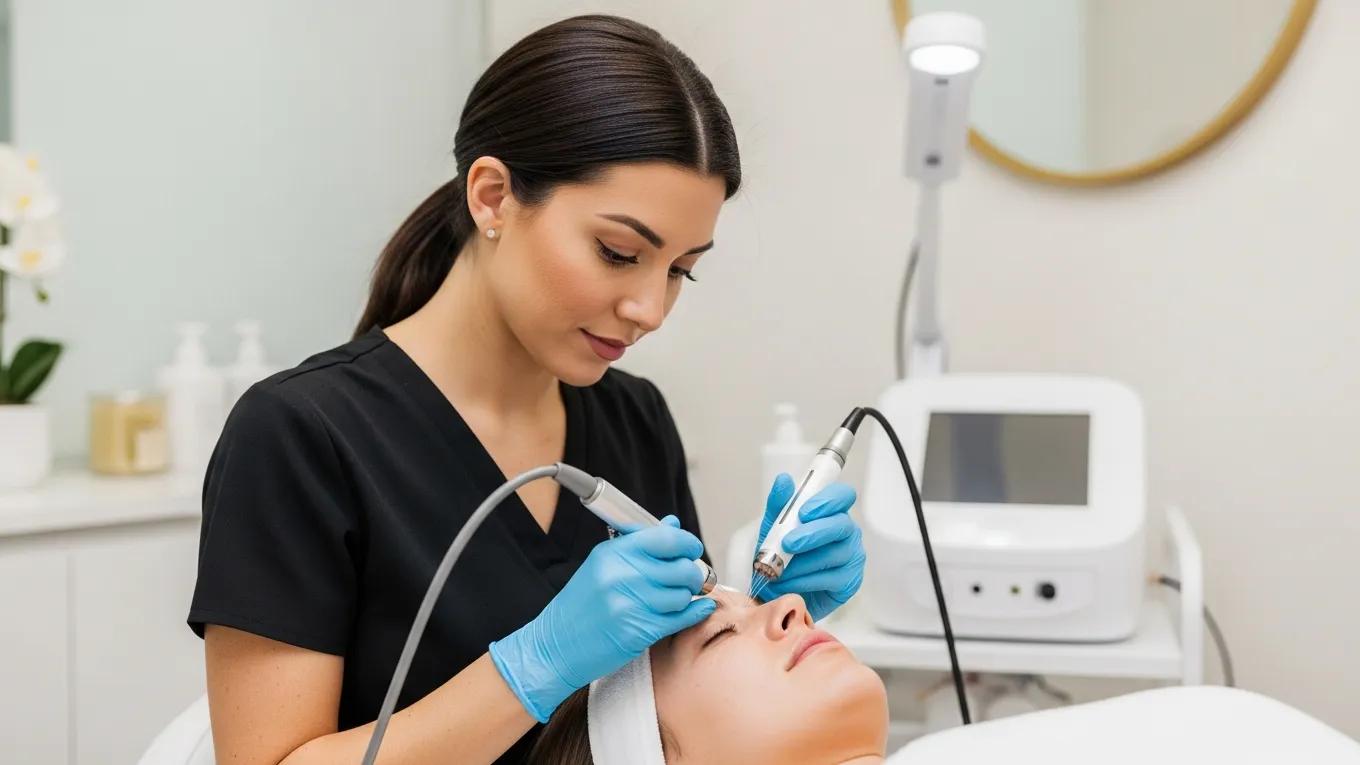
Microchanneling Compared to Microneedling
Microchanneling Compared to Microneedling: Understanding Benefits, Side Effects, and Treatment Choices

By Maraki Nyirenda, Skin In The Game DC
Microchanneling and microneedling are two common skin-rejuvenation techniques. Both improve texture, reduce fine lines, and stimulate collagen, but they work by different methods. This article explains those differences, outlines benefits and side effects, and describes typical treatment options. If you have acne scars or signs of aging, understanding these methods will help you make informed choices. We also note services offered by Skin In The Game DC.
Comparison of Microchanneling and Microneedling
Both treatments use tiny needles to create controlled micro-injuries that trigger the skin's natural healing. They differ in how those injuries are made, how the skin responds, and in the expected recovery and outcomes.
| Technique | Trauma | Recovery Time | Pain Level | Serum Delivery |
|---|---|---|---|---|
| Microchanneling | Minimal trauma | 24-48 hours | Low | Direct and consistent delivery of serums |
| Microneedling | Moderate trauma | 3-5 days | Moderate | Inconsistent delivery of serums |
The table summarizes key differences, highlighting microchanneling's gentler approach and its more consistent serum delivery.
Microchanneling:
Microchanneling uses very fine needles to create small, controlled openings in the skin while delivering growth-factor serums directly into the dermis. This targeted delivery helps stimulate collagen and elastin production, which improves skin texture and elasticity.
Research describes how these microchannels form and close, providing a scientific basis for microneedle technology.
Microneedle Microchannel Formation & Skin Barrier Recovery
Microneedle technology bypasses the skin barrier to allow minimally invasive delivery. Devices such as DermaRoller® use metal microneedles to create micropores. In a hairless rat model, studies characterized microneedles and the microchannels formed by 370 μm and 770 μm needles.
Characterization of microchannels created by metal microneedles: formation and closure, H Kalluri, 2011
Microneedling:
Microneedling uses slightly longer needles that create deeper micro-injuries. It also stimulates collagen but typically causes more discomfort and requires a longer recovery. The channels formed can be less uniform, which may affect serum absorption and results.
Growing interest in treatments for scarring and photoaged skin has driven further study of microneedling.
Microneedling for Scars & Photoaged Skin: A Review
Demand for safe, less aggressive, and cost-efficient treatments to improve skin after scarring or photoaging is rising. Microneedling, or percutaneous collagen induction (PCI) therapy, aims to preserve the epidermis while promoting regeneration rather than scarring.
Microneedling: percutaneous collagen induction (PCI) therapy for management of scars and photoaged skin—scientific evidence and review of the literature, 2021
Benefits of Microchanneling:

Microchanneling provides several clear benefits for skin rejuvenation:
- Reduces Acne Scars: The treatment effectively diminishes the appearance of acne scars by promoting skin regeneration.
- Improves Skin Texture: Regular sessions can lead to smoother and more even skin texture.
- Enhances Absorption of Topical Products: The microchannels created during the procedure allow for better penetration of serums and other skincare products.
Skin In The Game DC offers professional microchanneling services tailored to each client's skin needs to support optimal outcomes.
Side Effects of Microchanneling:
Microchanneling is generally safe, but common side effects may occur, including:
- Redness: Temporary redness in the treated area is common and usually subsides within a few hours.
- Swelling: Mild swelling may occur but typically resolves quickly.
- Sensitivity: Some individuals may experience sensitivity in the treated area for a short period.
These effects are usually mild and resolve within a few days, making microchanneling a practical option for many people.
Treatment Options:
Optimal results typically require a series of treatments. A common plan is 3 to 6 sessions spaced 4 to 6 weeks apart. Skin In The Game DC creates personalized plans to match each person's goals and skin concerns.
What Is Microchanneling and How Does It Improve Skin Health?
Microchanneling creates controlled micro-injuries that trigger the skin's repair process. That repair increases collagen and elastin production, which improves overall skin health and appearance. The treatment is useful for fine lines, uneven tone, and texture irregularities.
Microchanneling Overview
The procedure uses a device with fine needles to form microchannels in the skin. These channels let clinicians apply serums—such as growth factors and hyaluronic acid—directly to the dermis to boost hydration and rejuvenation.
What Skin Conditions Can Microchanneling Effectively Treat?
Microchanneling works for several conditions, including:
- Acne Scars: Helps to reduce the appearance of scars by promoting skin regeneration.
- Fine Lines and Wrinkles: Stimulates collagen production, leading to smoother skin.
- Uneven Skin Texture: Improves overall skin texture and tone.
These effects make microchanneling a versatile option for people who want to improve their skin's appearance.
What Is Microneedling and What Are Its Common Side Effects?
Microneedling uses fine needles to create controlled micro-injuries that prompt the skin to repair itself. This induces collagen production and can improve a range of skin concerns.
How Does Microneedling Stimulate Collagen Production?
The tiny injuries produced by microneedling signal the body to repair the area. That repair increases collagen and elastin, which support skin elasticity and firmness.
What Are the Typical Side Effects and Risks of Microneedling?

Common side effects of microneedling may include:
- Redness: Similar to a mild sunburn, redness typically subsides within a few days.
- Swelling: Some swelling may occur but usually resolves quickly.
- Bruising: In some cases, bruising may develop, particularly if the skin is sensitive.
These side effects are generally temporary and can be managed with appropriate aftercare.
How Do Microchanneling and Microneedling Compare in Procedure and Results?
Compare the two methods by looking at technique, recovery time, and expected results to choose the best option for your needs.
What Are the Key Differences Between Microchanneling and Microneedling Techniques?
The main difference is depth and tissue impact. Microchanneling is less invasive, causes less discomfort, and heals faster. Microneedling reaches deeper layers, which can mean more trauma and a longer recovery.
Which Treatment Offers Better Outcomes for Acne Scars and Aging Skin?
Both can help with acne scars and signs of aging. Microchanneling often produces quicker results with less downtime, but the best choice depends on skin type and specific concerns.
What Are the Recovery Times and Costs for Microchanneling and Microneedling in Washington DC?
Recovery times differ: microchanneling generally requires less downtime than microneedling.
How Long Is the Recovery Period After Microchanneling Compared to Microneedling?
Microchanneling typically requires 24–48 hours of recovery. Microneedling often needs 3–5 days for full recovery. This difference matters for people with busy schedules.
What Is the Typical Cost of Microchanneling Treatments in Washington DC?
The starting price at Skin In The Game DC is about $375 for a facial session. A combined face-and-neck treatment is roughly $475. These rates reflect the clinic's quality and expertise.
Why Choose Skin In The Game DC for Your Microchanneling or Microneedling Treatment?
Selecting the right provider affects treatment safety and results. Skin In The Game DC offers advanced skin-rejuvenation treatments in Washington, DC.
What Makes Skin In The Game DC a Trusted Provider in Washington DC?
Skin In The Game DC emphasizes quality and personalized care. Experienced practitioners tailor treatments to each client's specific skin concerns.
How Can You Schedule Your Microchanneling or Microneedling Appointment?
Scheduling is straightforward: contact the clinic to discuss goals and book a consultation. The team supports patients from the initial assessment through the treatment itself.
Frequently Asked Questions
What is the ideal skin type for microchanneling?
Microchanneling suits oily, dry, and combination skin. It is especially useful for acne scars, fine lines, and uneven texture. If you have an active skin infection, open wounds, or conditions such as eczema or psoriasis, consult a dermatologist first. A professional assessment at Skin In The Game DC can confirm if the treatment is appropriate for your skin.
How often should I get microchanneling treatments?
For best results, a typical course is 3 to 6 sessions spaced 4 to 6 weeks apart. This spacing lets the skin heal and build collagen between treatments. After the initial series, maintenance sessions every 6 to 12 months help preserve results. A skincare professional can tailor the plan to your needs.
Can microchanneling be combined with other skincare treatments?
Yes. Microchanneling can complement treatments like chemical peels or laser therapy to address multiple concerns at once, such as pigmentation and texture. Work with a qualified practitioner at Skin In The Game DC to create a safe, coordinated plan that suits your skin type and goals.
What aftercare is recommended following microchanneling?
After treatment, avoid direct sun exposure, intense exercise, and harsh skincare products for at least 24 hours. Use gentle cleansing and apply a soothing serum or moisturizer to maintain hydration. Daily sunscreen is essential to protect the treated skin. Following these steps supports healing and improves results.
How does microchanneling compare to other skin rejuvenation methods?
Microchanneling is minimally invasive and delivers serums directly, which reduces downtime compared with deeper microneedling. Chemical peels and laser treatments can target specific issues but may involve longer recovery and stronger side effects. Microchanneling offers a balanced option for effective results with less disruption to daily life.
Are the results from microchanneling permanent?
Results are not permanent. Microchanneling stimulates collagen and elastin, producing improvements that can last several months. Regular maintenance—often every 6 to 12 months—helps sustain benefits. Individual factors like age, skin type, and lifestyle affect how long results last, so follow-up care should be personalized.
Conclusion
Microchanneling is a gentle, effective way to support collagen production and improve product absorption. Understanding how it differs from microneedling helps you choose the treatment that fits your goals. For professional guidance and customized care, Skin In The Game DC offers tailored treatment plans—contact them to schedule a consultation.