
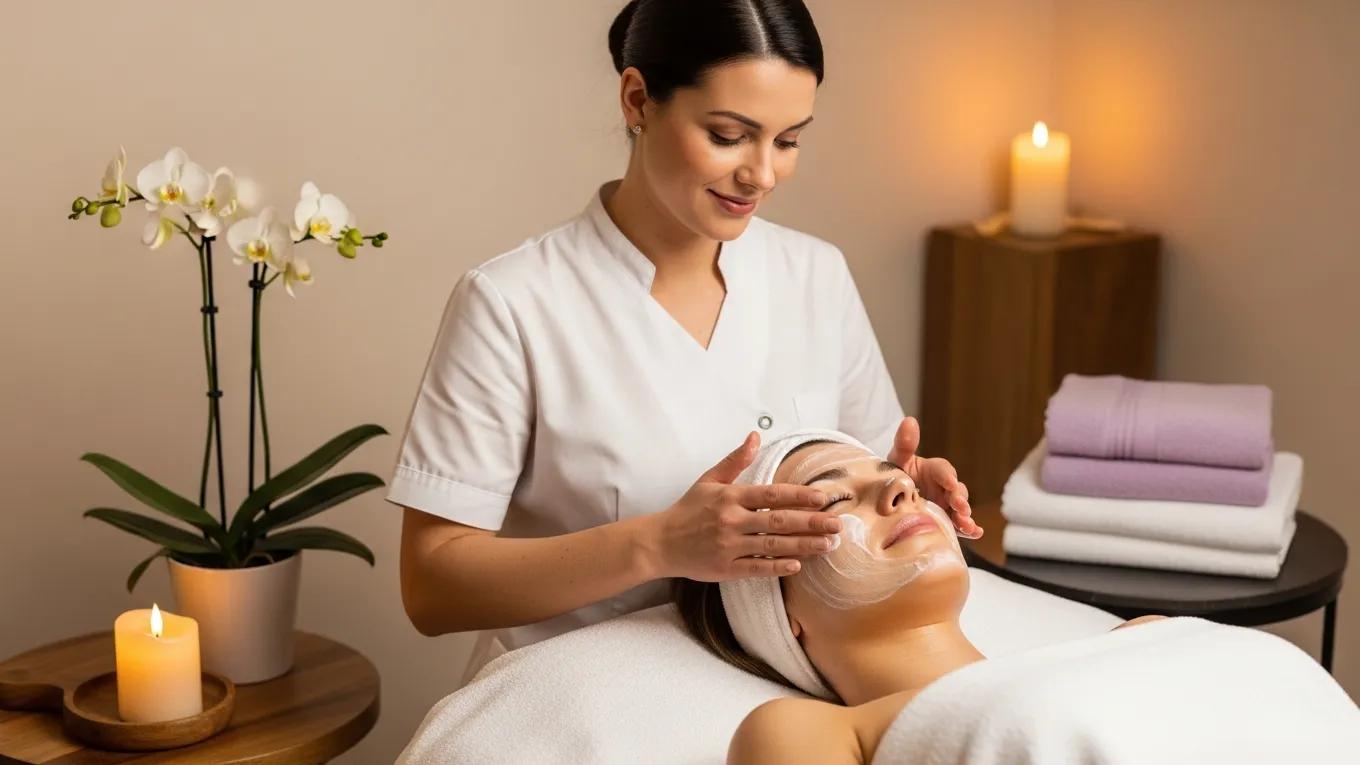
Pre and Post Care for Facials and Peels
Complete Guide to Pre and Post Care for Facials and Peels: Essential Tips for Safe and Effective Skin Treatment

By Maraki Nyirenda, Skin In The Game DC
Proper pre- and post-care for facials and chemical peels protects your skin and improves results. This guide gives clear, practical steps to prepare your skin before treatment and care for it afterward. Follow these recommendations to reduce side effects and support healthy healing. We'll cover pre-care, post-care, and common reactions so you can make informed choices.
Comprehensive Guide on Pre and Post Care for Facials and Peels
Pre- and post-care prepare the skin for a procedure and help it recover. When you follow recommended steps, treatments work better and complications are less likely. This guide breaks down specific, actionable practices to optimize your experience.
Pre-Care Tips:

Getting your skin ready before a facial or peel improves outcomes. Below are practical pre-care steps to consider.
- Consultation with an Esthetician: Always schedule a consultation with a qualified esthetician to discuss your skin type and any concerns. This step ensures that the treatment is tailored to your specific needs.
- Avoid Heavy Makeup: Refrain from wearing heavy makeup on the day of your treatment. This allows the esthetician to assess your skin condition accurately and perform the treatment effectively.
- Hydration and Sun Protection: Ensure your skin is well-hydrated in the days leading up to your treatment. Additionally, use sunscreen to protect your skin from UV damage, which can interfere with the treatment's effectiveness.
Post-Care Practices:

After a facial or peel, the right aftercare speeds recovery and helps preserve results. Use the practices below to support healing.
- Avoid Sun Exposure: Protect your skin from direct sunlight for at least two weeks post-treatment. Sun exposure can lead to pigmentation issues and hinder the healing process.
- Use Gentle Skincare Products: Opt for mild, non-irritating skincare products during the recovery period. Avoid exfoliants and harsh ingredients that can aggravate the skin.
- Stay Hydrated: Drink plenty of water to keep your skin hydrated from within. Hydration supports the skin's healing process and helps maintain its elasticity.
Skin In The Game DC provides personalized skincare for concerns such as acne, aging, dehydration, and uneven tone. Booking an appointment gives you a professional assessment and treatment options tailored to your needs.
Potential Side Effects:
Knowing possible side effects helps you set realistic expectations. Common reactions can include the items listed below.
- Mild Redness and Sensitivity: It is normal to experience some redness and sensitivity immediately after treatment. This usually subsides within a few hours to a couple of days.
- Peeling and Irritation: Chemical peels may cause peeling as the skin exfoliates. This is a natural part of the healing process, but it should be managed with proper post-care.
- Consultation for Reactions: If you experience severe reactions, such as excessive swelling or pain, consult your esthetician or dermatologist for advice.
How Should You Prepare Your Skin Before a Facial or Chemical Peel?
Proper preparation affects how well a facial or peel works. Start with a consultation to plan the right approach for your skin type. Stop retinoids and strong exfoliants a few days before treatment to reduce sensitivity. Keep your skin hydrated and protected from the sun to create the best conditions for the procedure.
For a clearer view of chemical peel procedures and protocols, review expert sources that outline step-by-step methods.
Step-by-Step Chemical Peel Protocol for Optimal Skin
Objective: This review analyzes the chemical peels currently used in dermatology and provides a step-by-step, algorithmic protocol for treatment.
A practical approach to chemical peels: a review of fundamentals and step-by-step algorithmic protocol for treatment, 2018
What Are the Key Steps in Pre Treatment Preparation?
Key pre-treatment steps include:
- Consultation: Discuss your skin concerns and treatment goals with a professional.
- Avoid Irritants: Steer clear of products that may irritate your skin, such as retinoids or strong exfoliants.
- Hydration: Drink plenty of water and use a hydrating serum to prepare your skin.
Which Skin Conditions Require Special Pre Care Considerations?
Some skin conditions need extra preparation. Tell your esthetician if you have sensitive skin, rosacea, or a history of allergies so they can adjust the treatment and reduce risk.
What Are the Best Practices for Chemical Peel Recovery?
Recovery from a chemical peel requires intentional aftercare. Follow these best practices to support proper healing.
- Follow Post-Care Instructions: Adhere to the guidelines provided by your esthetician for optimal recovery.
- Avoid Picking at Peeling Skin: Allow the skin to exfoliate naturally to prevent scarring or irritation.
- Use Soothing Products: Incorporate soothing products, such as aloe vera or hydrating masks, to calm the skin.
How Do You Manage Skin Hydration and Barrier Repair After a Peel?
To repair the skin barrier and keep skin hydrated after a peel, use a gentle moisturizer and products with ceramides or hyaluronic acid. Apply sunscreen regularly to protect newly treated skin from UV damage.
What Sun Protection Measures Are Essential Post Chemical Peel?
Sun protection after a peel is critical. Take these steps:
- Use Broad-Spectrum Sunscreen: Apply a broad-spectrum sunscreen with at least SPF 30 daily.
- Wear Protective Clothing: Consider wearing hats or clothing that covers the skin when outdoors.
- Avoid Tanning Beds: Steer clear of tanning beds and excessive sun exposure for several weeks post-treatment.
How Can You Care for Your Skin After a Facial?
After a facial, follow simple steps to preserve the benefits:
- Gentle Cleansing: Use a mild cleanser to avoid irritating the skin.
- Moisturization: Keep your skin hydrated with a suitable moisturizer.
- Avoid Heavy Makeup: Allow your skin to breathe and recover by avoiding heavy makeup for a few days.
Which Skincare Routines Support Healing and Maintain Results?
To help healing and maintain results, adopt routines that prioritize hydration and gentle care:
- Hydration: Use hydrating serums and moisturizers to keep the skin plump.
- Gentle Exfoliation: Incorporate gentle exfoliation once your skin has fully healed to maintain a fresh appearance.
- Regular Treatments: Schedule regular facials or peels as recommended by your esthetician to sustain results.
What Products Are Recommended for Post Facial Care?
Products commonly recommended after a facial include:
- Hydrating Serums: Look for serums containing hyaluronic acid or glycerin.
- Soothing Masks: Use calming masks with ingredients like aloe vera or chamomile.
- Gentle Moisturizers: Opt for non-comedogenic moisturizers to avoid clogging pores.
What Are the Recommended Products for Post Treatment Care?
Post-treatment, choose products made for sensitive or recovering skin, such as:
- Barrier Repair Creams: Formulations that restore the skin barrier and provide hydration.
- Sunscreens: Mineral-based sunscreens that are less likely to irritate sensitive skin.
- Calming Lotions: Products with anti-inflammatory ingredients to soothe the skin.
Which Ingredients Promote Skin Healing and Hydration?
Ingredients that support healing and hydration include:
- Hyaluronic Acid: A powerful humectant that draws moisture into the skin.
- Ceramides: Help restore the skin barrier and retain moisture.
- Aloe Vera: Known for its soothing and healing properties.
How to Choose Products Based on Your Skin Type and Treatment?
To choose products after treatment: identify your skin type (oily, dry, combination, or sensitive), consult your esthetician for tailored recommendations, and patch test new products to avoid reactions.
How Do You Manage Side Effects and When Should You Contact a Professional?
To manage side effects, monitor your skin's response and contact your esthetician or dermatologist if you notice severe redness, swelling, or persistent pain. They can advise on care or further treatment if needed.
What Are Common Side Effects After Facials and Peels?
Common side effects can include temporary redness, dryness as the skin heals, and increased sensitivity to products or the environment.
When Is It Important to Seek Professional Advice?
Seek professional advice if you experience excessive swelling, severe pain, blistering, redness that doesn't improve within a few days, or signs of infection such as pus or increased warmth.
Frequently Asked Questions
What should I avoid doing immediately after a facial or chemical peel?
Right after a facial or peel, avoid activities that increase heat or irritation. Skip strenuous exercise, hot showers, saunas, and steam rooms for at least 48 hours. Also avoid makeup for a few days so your skin can recover.
How long does it take for skin to heal after a chemical peel?
Healing time depends on peel depth. Superficial peels usually heal in 3–5 days. Medium peels may take 1–2 weeks. Deep peels can take several weeks. Follow your post-care instructions to support healing and reduce complications.
Can I use my regular skincare products after a facial or peel?
Avoid your usual active products—retinoids, acids, and exfoliants—for at least a week after a facial or peel. Use gentle, hydrating products without irritants and ask your esthetician when it's safe to resume your normal routine.
What signs indicate that I should seek professional help after a treatment?
Seek help for severe swelling, persistent pain, or signs of infection such as pus or increased warmth. If redness or irritation doesn't improve in a few days, contact your esthetician or dermatologist for an evaluation.
Are there specific foods or supplements that can aid in skin recovery post-treatment?
Certain foods and supplements can support recovery. Eat antioxidant-rich foods like berries, leafy greens, and nuts to reduce inflammation. Omega-3s from fish or flaxseeds may aid healing. Vitamin C and zinc support repair. Talk to a healthcare professional before starting supplements.
How often should I schedule facials or peels for optimal skin health?
How often you should have facials or peels depends on your skin and the treatment. A facial every 4–6 weeks is common for maintenance. For chemical peels, your provider will recommend intervals based on peel depth and your skin's response.
What should I do if I experience excessive peeling after a chemical peel?
Excessive peeling can be part of healing, but contact your esthetician or dermatologist if peeling is severe or comes with redness, swelling, or discomfort. They can suggest soothing products or treatments to prevent complications.
Conclusion
Following proper pre- and post-care improves skin health and treatment outcomes. These guidelines help reduce side effects and support recovery. For personalized advice and treatment planning, book a consultation with a qualified esthetician.