
Skincare and Treatment Glossary
Skincare and Treatment Glossary: Essential Terms and Definitions for Effective Skin Care
Understanding skincare can be overwhelming, especially with the myriad of terms and treatments available. This glossary aims to clarify essential skincare treatment terms, helping you navigate your skincare journey with confidence. From microchanneling to chemical peels, knowing these terms can empower you to make informed decisions about your skin health. Many individuals face challenges like acne, aging, and uneven skin tone, which can be addressed through various treatments. This article will explore key skincare terms, common skin concerns, treatment mechanisms, and how to book expert skincare services in Washington, DC.
What Are the Key Skincare Treatment Terms You Should Know?
In the realm of skincare, familiarity with specific terms can significantly enhance your understanding of treatments and their benefits. This section will introduce you to essential skincare treatment terms, including microchanneling and chemical peels, which are pivotal in modern skincare regimens.
Understanding Microchanneling: Definition and Benefits
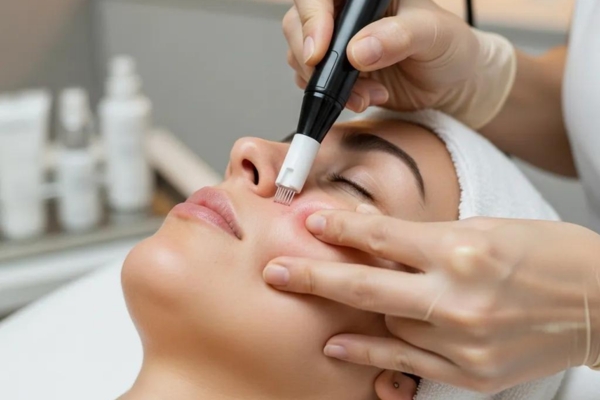
Microchanneling is a minimally invasive treatment that involves creating tiny channels in the skin to stimulate collagen production and enhance product absorption. This technique is particularly beneficial for improving skin texture, reducing fine lines, and addressing concerns like acne scars. By promoting the skin's natural healing process, microchanneling can lead to a more youthful and radiant complexion.
Chemical Peels Explained: Types and Effects
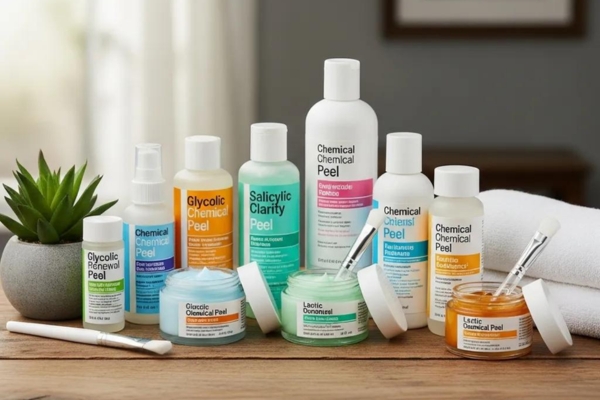
Chemical peels are treatments that use various acids to exfoliate the skin, revealing a smoother and more even complexion underneath. There are several types of chemical peels, including superficial, medium, and deep peels, each varying in strength and application. Superficial peels are ideal for minor skin issues, while medium and deep peels can address more significant concerns like sun damage and severe acne. Understanding the different types of "chemical peels" can help you choose the right treatment for your skin type and concerns.
Which Skin Concerns Do Common Treatments Address?
Different skincare treatments target specific skin concerns, making it essential to understand which treatments are most effective for your needs. This section will explore common skin issues and the treatments available to address them.
Acne Treatment Glossary: Terms and Procedures
Acne treatments encompass a variety of procedures and products designed to reduce breakouts and improve skin clarity. Key terms include comedones (clogged pores), salicylic acid (a common acne-fighting ingredient), and benzoyl peroxide (known for its antibacterial properties). Understanding these terms can help you navigate the options available for effective acne management.
Anti-Aging Skincare Terms: Definitions and Solutions
Anti-aging treatments focus on reducing the visible signs of aging, such as wrinkles, fine lines, and sagging skin. Common terms include retinoids (vitamin A derivatives that promote cell turnover), hyaluronic acid (a powerful hydrator), and antioxidants (which protect the skin from free radical damage). Familiarity with these terms can guide you in selecting the right products and treatments to maintain youthful skin.
Further research highlights the complex biological processes behind skin aging, distinguishing between intrinsic and extrinsic factors that contribute to its visible signs.
Understanding Skin Aging: Intrinsic vs. Extrinsic Factors
Aging is a dynamic, progressive and undesirable biological process that unfortunately cannot be stopped, according to present knowledge. Intrinsic aging (chronological, spontaneous and biological aging) is a programmed natural process, while extrinsic aging (environmental aging and photoaging) is associated with sun exposure, smoking and malnutrition, which weakens the skin structure and functions. Over time, aging skin starts to lose elastin fibers, collagen and other proteins, which are the basic constituents that make skin healthy, bright, fit and elastic.
Aging skin and anti-aging strategies, 2023
How Do Skincare Treatments Work and What Are Their Benefits?
Understanding the mechanisms behind skincare treatments can help you appreciate their benefits and make informed choices. This section will delve into how various treatments work and the advantages they offer for skin health.
Treatment Benefits: Hydration, Texture Improvement, and More
Skincare treatments provide numerous benefits, including enhanced hydration, improved skin texture, and reduced signs of aging. For instance, treatments like "microchanneling" can boost hydration levels by allowing serums to penetrate deeper into the skin. Additionally, chemical peels can improve texture by removing dead skin cells and promoting cell turnover, leading to a smoother and more radiant complexion.
Treatment TypeBenefitMechanismMicrochannelingEnhanced hydrationStimulates collagen production and improves product absorptionChemical PeelsImproved textureExfoliates dead skin cells and promotes cell turnoverHydrating FacialsIncreased moistureInfuses skin with hydrating ingredients
This table illustrates how different treatments contribute to overall skin health, highlighting their unique benefits and mechanisms.
Aftercare and Recovery: What to Expect Post-Treatment
Post-treatment care is crucial for achieving optimal results and ensuring skin health. After procedures like microchanneling or chemical peels, it is essential to follow specific aftercare guidelines, such as avoiding sun exposure and using gentle skincare products. Understanding what to expect during the recovery process can help you maintain the benefits of your treatment and promote healing.
The importance of diligent pre and post-procedure care for various aesthetic treatments, including chemical peels and microneedling, is further emphasized by expert opinions.
Essential Pre & Post-Procedure Care for Aesthetic Treatments
Nonsurgical or minimally invasive cosmetic dermatology encompasses a variety of procedures, such as chemical peels, laser therapies, dermal fillers, derma rollers and microneedling radiofrequency, which are known to be safe and effective. To ensure successful outcome of an aesthetic procedure and to minimise complications, one should be aware of the pre- and post-procedural care involved. This review summarized expert opinion on pre and post-procedural care needed with chemical peels, laser therapies, dermal fillers, derma rollers and microneedling radiofrequency.
Expert opinion on pre and post procedure care in aesthetic dermatology, 2022
Where and How Can You Book Expert Skincare Treatments in Washington, DC?
Booking expert skincare treatments can be a straightforward process when you know what to look for. This section will guide you on how to find and book the right services in Washington, DC.
Online Appointment Booking: Simplifying Your Skincare Journey
Many skincare clinics now offer online appointment booking, making it easier to schedule treatments at your convenience. This user-friendly feature allows you to select your desired services, view available time slots, and secure your appointment with just a few clicks. Utilizing online booking can streamline your skincare journey and ensure you receive the care you need.
Local Skincare Clinics: Services and Specializations in Washington, DC
Washington, DC is home to various skincare clinics that specialize in different treatments. For instance, Skin In The Game DC is a professional skincare clinic focused on providing expert skincare treatments and education. When choosing a clinic, consider their services, specializations, and client reviews to ensure you find the right fit for your skincare needs.
By understanding these essential skincare terms and treatments, you can make informed decisions that enhance your skin health and overall well-being.
Frequently Asked Questions
What should I consider before choosing a skincare treatment?
Before selecting a skincare treatment, it's essential to assess your skin type, concerns, and goals. Consider factors such as your skin's sensitivity, any existing conditions (like eczema or rosacea), and your lifestyle. Consulting with a skincare professional can provide personalized recommendations based on your unique needs. Additionally, research the treatment's effectiveness, potential side effects, and aftercare requirements to ensure you are fully informed before proceeding.
How often should I undergo skincare treatments?
The frequency of skincare treatments varies based on the type of treatment and individual skin needs. For example, chemical peels may be recommended every 4 to 6 weeks, while microchanneling can be done every 6 to 8 weeks for optimal results. It's crucial to follow the advice of your skincare professional, who can tailor a treatment schedule that aligns with your skin's recovery and improvement timeline. Regular assessments can help adjust the frequency as needed.
Are there any risks associated with skincare treatments?
While most skincare treatments are safe when performed by qualified professionals, there are potential risks, including irritation, allergic reactions, or infections. The likelihood of side effects often depends on the treatment type and individual skin sensitivity. It's vital to discuss your medical history and any allergies with your skincare provider before undergoing treatment. They can help mitigate risks by customizing the procedure to suit your skin's specific needs.
What is the importance of aftercare following skincare treatments?
Aftercare is crucial for maximizing the benefits of skincare treatments and ensuring proper healing. Following post-treatment guidelines, such as avoiding sun exposure, using gentle products, and staying hydrated, can significantly impact your skin's recovery. Neglecting aftercare may lead to complications like irritation or prolonged redness. Always follow the specific aftercare instructions provided by your skincare professional to maintain the results and promote healthy skin.
Can I combine different skincare treatments?
Yes, combining different skincare treatments can enhance results, but it should be done cautiously and under professional guidance. For instance, microchanneling can be paired with hydrating serums for improved absorption, while chemical peels may be used alongside other treatments to address multiple concerns. However, it's essential to consult with a skincare expert to create a safe and effective treatment plan that considers your skin type and goals.
How do I know if a skincare clinic is reputable?
To determine if a skincare clinic is reputable, research their credentials, staff qualifications, and client reviews. Look for clinics with licensed professionals who specialize in the treatments you are interested in. Additionally, check for certifications from recognized organizations and any awards or recognitions the clinic may have received. Visiting the clinic for a consultation can also help you gauge their professionalism and approach to client care.