
What to Expect from a Chemical Peel
What to Expect from a Chemical Peel: Benefits, Procedure, and Aftercare Explained

By Maraki Nyirenda, Skin In The Game DC
Chemical peels remove the skin’s outer layers to improve appearance. They can address concerns such as acne, uneven tone, and signs of aging. This article explains the benefits, the procedure, and essential aftercare so you can decide whether a peel fits your goals. We also cover peel types and how to care for your skin after treatment.
Chemical Peels: Overview, Benefits, Procedure, and Aftercare
A chemical peel uses a solution to exfoliate the outer skin layers, revealing smoother skin beneath. Peels differ in strength and depth—from superficial to deep—and each level targets specific concerns. Think of it like sanding a surface: light sanding smooths minor roughness, while deeper work removes more damage but needs more repair time.
Overview:
Chemical peels fall into three categories: superficial, medium, and deep. Superficial peels use mild acids for gentle exfoliation. Medium peels reach deeper layers to treat more pronounced issues. Deep peels use stronger agents for severe conditions and require longer recovery.
Research supports classifying chemical peels by depth and demonstrates differences in effectiveness and recovery time.
Chemical Peel Types: Superficial, Medium, Deep & Benefits
Chemical peeling is a widely used, relatively low-cost, and generally safe method to treat some skin disorders and to refresh and rejuvenate skin. Peels are classified by depth into superficial, medium, and deep. Deeper peels produce greater clinical change but are associated with longer healing times.
Evidence and considerations in the application of chemical peels in skin disorders and aesthetic resurfacing, 2010
Benefits:

Chemical peels can improve the look and feel of your skin. Key advantages include smoother texture, clearer skin, and a more even tone.
- Improved Skin Texture: Chemical peels can smooth rough skin and reduce the appearance of fine lines and wrinkles.
- Acne Treatment: They can help clear acne and reduce the appearance of acne scars.
- Even Skin Tone: Chemical peels can diminish dark spots and hyperpigmentation, leading to a more uniform complexion.
Skin In The Game DC provides professional chemical peel services tailored to individual skin needs.
Procedure:
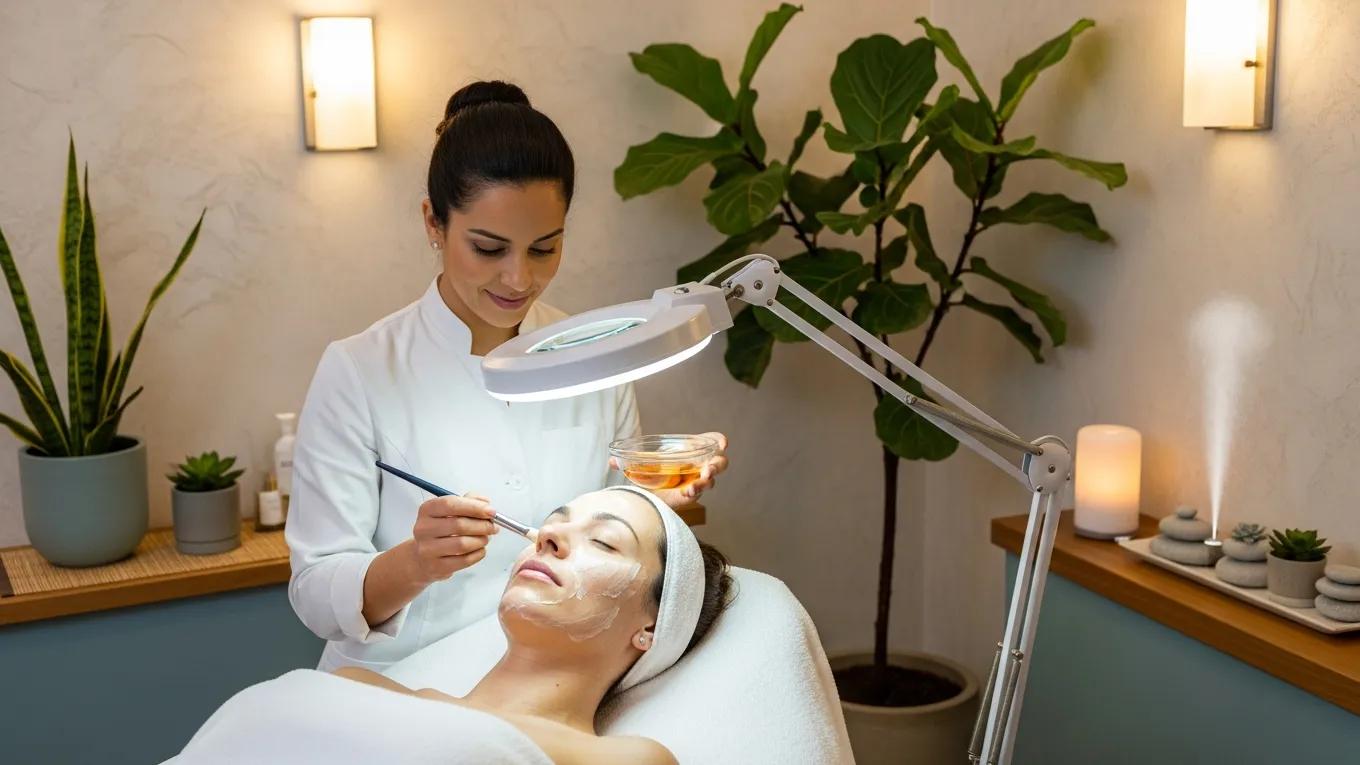
The process starts with a consultation to assess your skin and goals. During treatment, the selected solution is applied and may cause a mild tingling. Procedure time varies with peel depth, and a soothing ointment is often applied afterward to support recovery.
Aftercare:

Aftercare is essential for good results. Your skin may be sensitive and need special attention. Key aftercare steps include the following:
- Avoid Sun Exposure: Protect your skin from the sun by wearing sunscreen and avoiding direct sunlight.
- Gentle Skincare Products: Use mild, non-irritating products to cleanse and moisturize your skin.
- Stay Hydrated: Keeping your skin hydrated is essential for recovery.
What Are the Key Benefits of a Chemical Peel?
Chemical peels offer benefits that can improve both appearance and skin health. The main advantages are listed below.
- Skin Rejuvenation: Chemical peels promote the growth of new skin cells, leading to a fresher, more youthful appearance.
- Acne Treatment: They can effectively reduce acne breakouts and improve the overall clarity of the skin.
- Improvement of Skin Texture: Peels can smooth out rough patches and improve the skin's overall texture.
These outcomes make chemical peels a common choice for people who want to enhance their skincare routine and target specific concerns.
How Does a Chemical Peel Improve Skin Conditions Like Acne and Aging?
Peels exfoliate the outer layers to unclog pores and reduce acne. The acids can also stimulate collagen, which helps skin stay elastic and reduces fine lines. By increasing cell turnover, peels improve texture and tone for both acne and aging concerns.
What Are the Expected Outcomes for Uneven Skin Tone and Dehydration?
Many people notice a more even tone and better hydration after a peel. Exfoliation removes dead cells and reduces dark spots, which brightens the complexion. Improved hydration can make skin appear plumper and healthier.
Which Types of Chemical Peels Are Available and How Do They Differ?
Peels are available in different strengths to match specific concerns. Knowing how they differ helps you choose the right option for your needs.
What Are the Characteristics of Superficial, Medium, and Deep Peels?
| Type | Strength | Indications | Expected Outcomes |
|---|---|---|---|
| Superficial | Mild | Fine lines, rough texture | Smoother skin, minor discoloration |
| Medium | Moderate | Moderate wrinkles, acne scars | Improved texture, reduced scars |
| Deep | Strong | Severe sun damage, deep wrinkles | Significant rejuvenation, longer recovery |
Superficial peels suit those who want a gentle treatment with minimal downtime. Medium and deep peels deliver stronger results but require longer recovery periods.
Which Chemical Peel Is Best for Treating Acne?
Medium peels are often recommended for acne because they penetrate deeper and address root causes. These peels commonly use salicylic or glycolic acid to exfoliate and reduce inflammation. Consult a skincare professional to choose the safest, most effective option for your skin.
What Happens During the Chemical Peel Procedure?
The chemical peel follows a set of steps to keep the treatment safe and effective.
What Are the Step-by-Step Procedures Involved in a Chemical Peel?
- Consultation: A thorough assessment of your skin type and concerns.
- Preparation: Cleansing the skin to remove any makeup or impurities.
- Application: The chemical solution is applied to the skin, which may cause a tingling sensation.
- Post-Care: After the peel, a soothing ointment is applied to aid recovery.
How Should You Prepare Your Skin Before the Peel?
Preparing your skin helps achieve better results. Avoid retinoids and other exfoliants for a few days before the peel. Also tell your provider about any medications or skin conditions so they can plan a safe treatment.
What Is the Typical Recovery Timeline After a Chemical Peel?
Recovery time depends on the peel’s depth and your skin’s response.
What Side Effects and Skin Changes Can You Expect During Healing?
Common side effects include redness, peeling, and sensitivity. These usually ease within a few days to a week, depending on peel depth. Following aftercare instructions helps reduce discomfort and supports healing.
How Long Does It Take for Skin to Fully Recover?
Recovery can range from a few days for superficial peels to several weeks for deep peels. Skin type, peel depth, and careful aftercare all influence how quickly you heal.
How Should You Care for Your Skin After a Chemical Peel?
Good post-peel care is essential for healing and for getting the expected results.
What Are the Essential Aftercare Instructions to Follow?
- Sunscreen Application: Protect your skin from UV rays with a broad-spectrum sunscreen.
- Gentle Skincare Products: Use mild cleansers and moisturizers to avoid irritation.
- Hydration Tips: Keep your skin hydrated to support the healing process.
What Activities and Products Should Be Avoided Post-Peel?
After a chemical peel, avoid the following to protect healing skin:
- Harsh Products: Steer clear of exfoliants and strong active ingredients.
- Sun Exposure: Limit time in the sun and wear protective clothing.
- Intense Workouts: Avoid strenuous activities that may cause excessive sweating.
How Can You Book a Chemical Peel Treatment in Washington DC?
Booking a chemical peel starts with finding a reputable provider and scheduling a consultation to discuss your needs.
What Should You Know About Scheduling and Pricing at Skin In The Game DC?
Skin In The Game DC offers a range of chemical peels. Pricing depends on the type of peel and the treatment plan. Schedule a consultation to review options and receive personalized recommendations.
How Does Personalized Care Enhance Your Chemical Peel Experience?
Personalized care helps you get the best outcome. At Skin In The Game DC, experienced professionals assess your skin and tailor the treatment to your concerns so you receive results that match your goals.
Frequently Asked Questions
What should I expect during the recovery process after a chemical peel?
Recovery varies by peel depth. Superficial peels usually cause mild redness and peeling for a few days. Medium peels often produce more visible peeling and sensitivity for up to a week. Deep peels require a longer recovery, often several weeks, with more significant peeling and redness. Follow aftercare directions to support healing and reduce discomfort.
Can I combine a chemical peel with other skincare treatments?
Yes. Chemical peels can be combined with treatments such as microdermabrasion or laser therapy to enhance results. A skincare professional can advise which combinations are safe for your skin and plan timing to minimize risks and downtime.
How often can I safely undergo chemical peels?
Frequency depends on peel type and skin sensitivity. Superficial peels are often done every 4–6 weeks. Medium peels may be scheduled every 6–12 weeks. Deep peels are usually performed less frequently, often once a year. Consult a professional to set a safe schedule for your skin.
Are there any contraindications for getting a chemical peel?
Certain conditions may rule out peels, including active skin infections, open wounds, or inflammatory skin disorders like eczema or psoriasis. People with a history of keloid scarring or those who are pregnant should consult their healthcare provider before treatment. A full consultation helps determine suitability.
What should I do if I experience excessive redness or irritation after a peel?
If you have excessive redness or irritation, follow your aftercare instructions and use a recommended soothing ointment. Avoid sun exposure. If symptoms persist or worsen, contact your skincare professional for guidance; they can suggest adjustments or additional care to relieve symptoms and support healing.
How can I maintain the results of my chemical peel?
Maintain results with a consistent routine: use gentle, hydrating products, apply broad-spectrum sunscreen daily, and avoid harsh exfoliants. Regular moisturizing and follow-up treatments as your provider recommends will help preserve texture and tone over time.
Conclusion
Chemical peels can improve skin texture, tone, and overall appearance. Knowing the benefits, the procedure, and proper aftercare helps you make an informed choice that fits your goals. For personalized options, schedule a consultation with a skincare professional and learn about the chemical peel services available at Skin In The Game DC.